

Compassion in Action: Exploring Plasma Donations in Salt Lake City

Plasma donation is one of those quiet acts of generosity that rarely makes headlines, yet it plays a massive role in modern healthcare. In Salt Lake City, plasma donations support hospitals, research centers, and patients who depend on plasma-based treatments to survive and live well. From managing chronic conditions to responding to emergencies, donated plasma helps keep the healthcare system running when it matters most.
This guide breaks down what plasma is, why it’s in such high demand, how the donation process works, and how plasma donations in Salt Lake City make a real difference in people’s lives. If you’ve ever wondered whether donating plasma is worth it, this article will give you a clear, grounded picture.
Why Plasma Matters in Modern Medicine
What Plasma Actually Does in the Body
Plasma makes up a little more than half of your blood. While red blood cells often get the spotlight, plasma is the liquid that keeps everything moving. It’s mostly water, but it also carries proteins, electrolytes, hormones, nutrients, and waste products throughout the body.
One easy way to think about plasma is as the body’s delivery and cleanup system. It transports nutrients where they’re needed, carries hormones that regulate bodily functions, and helps remove waste. Plasma proteins also play a big role in immune defense and blood clotting, both of which are essential for survival.
Because plasma supports so many critical systems at once, it’s incredibly valuable in medical treatment. When doctors use plasma-based therapies, they’re tapping into something the body already relies on every day.
How Donated Plasma Becomes Life-Saving Treatment
Plasma donations don’t go straight from donor to patient. After donation, plasma is carefully tested, processed, and separated into specific components. These components are then used to create treatments for a wide range of conditions.
People with bleeding disorders like hemophilia depend on plasma-derived clotting factors. Patients with weakened immune systems rely on immunoglobulin therapies to help fight infections. Plasma is also used to treat burn victims, trauma patients, and people with liver disease or shock.
Each donation contributes to a larger supply that hospitals and clinics depend on. In that sense, plasma donations in Salt Lake City help ensure that local and regional healthcare providers can respond quickly when patients need urgent or ongoing care.
Why Demand for Plasma Keeps Growing
The need for plasma has steadily increased over the years. Several factors are driving this trend. An aging population means more people are living with chronic conditions that require long-term plasma-based treatments. Advances in medicine have also expanded the number of therapies that use plasma proteins.
On top of that, global health events have shown how fragile medical supply chains can be. During times of crisis, plasma shortages can become a serious concern. That’s why local donation efforts matter so much. A strong donor base in Salt Lake City helps stabilize supply and reduce dependence on distant sources.
Becoming a Plasma Donor: What the Process Looks Like
What Happens When You Donate Plasma
Donating plasma is more structured than many people expect, and that’s a good thing. The process is designed to protect both donors and patients.
It starts with registering at a licensed plasma donation center. You’ll need a valid ID and will be asked to complete consent forms and a health questionnaire. This helps staff understand your medical history and make sure donation is safe for you.
Next comes a health screening. This usually includes checking your weight, blood pressure, pulse, and temperature, along with a small blood test. Once you’re cleared, the donation itself begins.
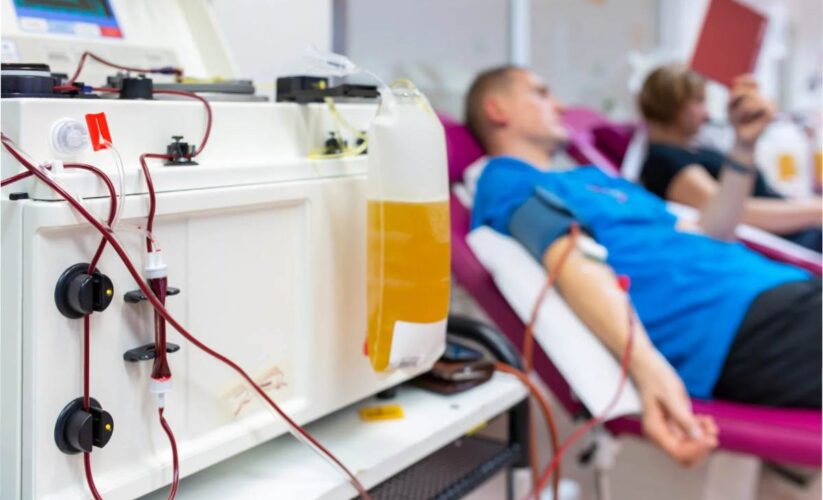
Plasma is collected through a process called plasmapheresis. Blood is drawn through a sterile needle and passed through a machine that separates plasma from red blood cells and platelets. The remaining components are returned to your body. The entire process typically takes between 60 and 90 minutes.
Afterward, donors are encouraged to rest briefly, drink fluids, and have a snack. Most people feel fine and can return to normal activities the same day.
How Often Plasma Can Be Donated
One reason plasma donation is so valuable is that the body replaces plasma quickly, usually within a day or two. Because of this, eligible donors can donate more frequently than whole blood donors, following FDA guidelines and center policies.
Donation centers track donation frequency carefully to ensure donor safety. Staff are always available to answer questions and address concerns, especially for first-time donors.
Who Can Donate Plasma?
Eligibility rules exist to keep everyone safe. In general, donors must be at least 18 years old, weigh at least 110 pounds, and be in good overall health.
Certain medical conditions or medications may affect eligibility. For example, people with specific autoimmune diseases or blood-borne infections are typically not eligible to donate. Temporary factors, such as recent travel or vaccinations, may also require waiting periods.
The best approach is to be honest during the screening process and ask questions. Medical staff are there to help, not judge, and they can explain eligibility requirements clearly.
Clearing Up Common Myths About Plasma Donation
“Isn’t Plasma Donation Dangerous?”
This is one of the most common concerns, and it’s understandable. In reality, plasma donation is a well-regulated medical procedure. Equipment is sterile and single-use, and donors are monitored throughout the process.
Because red blood cells are returned to the body, plasma donation generally has less impact on iron levels than whole blood donation. Most donors experience little more than mild fatigue or dehydration, which is easily managed with fluids and rest.
“Does It Hurt or Take Too Long?”
There is a needle involved, so there may be a brief pinch at the start. After that, most donors describe the experience as comfortable. Many people read, watch videos, or listen to music during the donation.
While the process does take longer than donating whole blood, many donors find that the time investment feels worthwhile once they understand the impact.
“Will I Feel Weak After Donating?”
Some people feel slightly tired afterward, especially if they didn’t hydrate well beforehand. Donation centers provide guidance on eating and drinking before and after donation to reduce side effects. Serious reactions are rare, and staff are trained to respond quickly if any issues arise.
Plasma Donations in Salt Lake City: A Community Effort
Why Local Donations Matter
Salt Lake City benefits directly from having a strong plasma donation network. Local hospitals, clinics, and research institutions rely on plasma products for both emergency care and long-term treatment plans.
Conditions such as immune disorders, bleeding disorders, and severe burns are treated regularly in the area. Local plasma donations help ensure these patients receive timely care without delays caused by supply shortages.
There’s also an economic benefit. Plasma donation centers create jobs and support the broader healthcare infrastructure, strengthening the local medical community.
Organizations Supporting Plasma Donation
Several organizations help drive plasma donations in Salt Lake City. National nonprofits like the American Red Cross focus on education, outreach, and volunteer engagement. They work closely with healthcare providers to raise awareness about plasma’s importance.
Private plasma collection centers also play a major role. Many offer flexible scheduling, donor education, and compensation for time and commitment. These centers help make plasma donation more accessible to a wide range of people.
Through partnerships with schools, employers, and community groups, these organizations help normalize plasma donation as a regular, meaningful act of service.
Real Stories, Real Impact
Behind every plasma donation is a person whose life may be changed by it. In Salt Lake City, patients with immune deficiencies often depend on regular immunoglobulin treatments just to stay healthy enough for daily life.
Burn survivors may rely on plasma-based therapies to support healing and recovery. Trauma patients may receive plasma during emergency treatment that stabilizes them long enough for surgery.
These stories don’t always make the news, but they are the reason plasma donations matter. Each donation contributes to outcomes that are deeply personal and life-altering.
What Happens to Plasma After You Donate
Once plasma is collected, it goes through extensive testing to ensure safety. Only plasma that meets strict standards moves forward for processing.
Advanced technology is then used to separate plasma into individual proteins and components. These are purified, packaged, and distributed to medical facilities. Some plasma products can be stored for long periods, making them available when emergencies arise.
This behind-the-scenes process turns a single donation into treatments that may help multiple patients. It’s a long journey, but every step is focused on safety and effectiveness.
Beyond Donating: How to Stay Involved
Donating plasma is one powerful way to help, but it’s not the only one. Talking openly about plasma donation helps reduce stigma and misinformation. Sharing accurate information with friends and family can encourage others to consider donating.
Some people choose to volunteer at donation events or help organize awareness campaigns. Others use social media to share their experiences and educate their networks.
Advocacy helps ensure that plasma donations in Salt Lake City remain strong and consistent. When communities stay engaged, the healthcare system becomes more resilient.
Final Thoughts
Plasma donation is a simple act with far-reaching effects. In Salt Lake City, it supports patients, strengthens healthcare systems, and builds a culture of shared responsibility.
Whether you donate once or become a regular donor, your contribution matters. Plasma donations don’t just support treatments—they support people, families, and futures. And that makes every donation an act of compassion in action.