

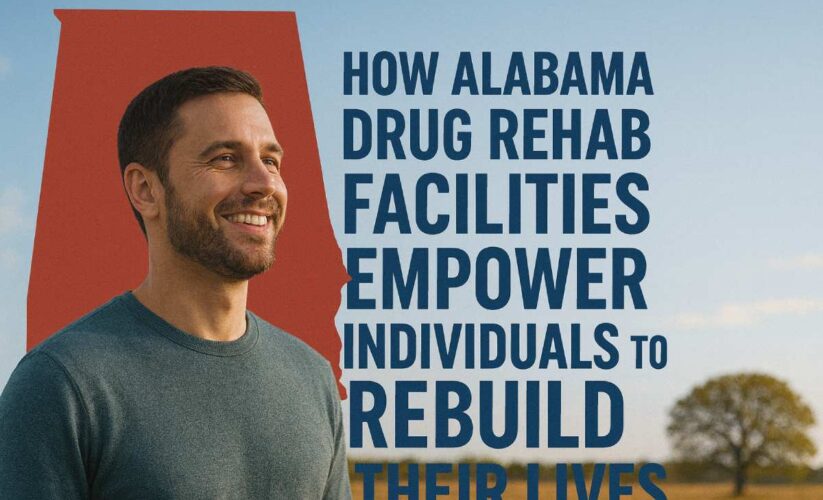
How Alabama Drug Rehab Facilities Empower Individuals to Rebuild Their Lives

It’s a quiet morning in Birmingham. A man named Marcus steps out of a rehab center, breathing in the fresh air with a sense of hope he hasn’t felt in years. His journey through addiction was long and painful, but today marks a new chapter. This story, repeated thousands of times across Alabama, is a testament to the power of specialized drug rehab facilities that don’t just treat addiction-they transform lives.
Understanding the Unique Challenges of Addiction in Alabama
Alabama faces a complex battle against substance abuse. The opioid crisis, alcohol dependency, and the rise of methamphetamine use have deeply affected communities, both urban and rural. What makes recovery especially challenging here is the combination of limited access to healthcare in some areas, social stigma, and economic hardships.
Many individuals battling addiction in Alabama come from backgrounds where resources are scarce. Rural counties often lack nearby treatment centers, forcing people to travel long distances or forego treatment altogether. In addition, cultural attitudes sometimes discourage seeking help, viewing addiction as a moral failing rather than a medical condition.
Recognizing these challenges, Alabama’s drug rehab facilities have tailored their approaches to meet the needs of their communities. They don’t just offer detox and counseling—they build support systems that address the whole person, including mental health, family dynamics, and social reintegration. These facilities often incorporate local traditions and community values into their programs, making recovery more relatable and accessible for participants. For instance, some centers may include family therapy sessions that involve not just the individual in recovery but also their loved ones, fostering a supportive environment that can significantly enhance the healing process.
Moreover, community outreach programs play a crucial role in combating the stigma surrounding addiction. Initiatives that focus on education and awareness help to reshape the narrative around substance use disorders, promoting a more compassionate understanding of the struggles individuals face. Local organizations often collaborate with schools, churches, and businesses to create a network of support that encourages open dialogue and reduces the shame associated with seeking help. This holistic approach not only aids those in recovery but also empowers families and friends to become active participants in the healing journey, reinforcing the idea that recovery is a communal effort.
Comprehensive Treatment Approaches That Address More Than Just Addiction
Medical Detox and Withdrawal Management
Detox is often the first step, but it’s more than just a physical process. Alabama rehab centers understand that withdrawal symptoms can be severe and sometimes life-threatening. Medical supervision during detox ensures safety and comfort, which increases the chances of a successful transition into long-term treatment.
Facilities often use medication-assisted treatment (MAT) to ease cravings and reduce relapse risk. Drugs like buprenorphine or methadone are administered under strict medical guidance, helping patients regain control over their bodies and minds. This approach not only alleviates the physical discomfort associated with withdrawal but also addresses the psychological aspects of addiction, allowing individuals to focus on their recovery journey without the overwhelming burden of cravings.
Furthermore, the detox process is often complemented by holistic therapies that promote overall well-being. Activities such as yoga, meditation, and nutritional counseling can play a significant role in helping patients reconnect with their bodies and minds. By incorporating these practices, rehab centers aim to create a comprehensive healing environment that nurtures both physical and emotional health, setting a solid foundation for lasting recovery.
Individualized Therapy and Counseling
Every person’s addiction story is different, so treatment plans are never one-size-fits-all. Licensed therapists work closely with patients to uncover the root causes of their substance use—whether it’s trauma, mental illness, or environmental stressors. This personalized approach ensures that each individual receives the specific support they need to address their unique challenges.
Cognitive-behavioral therapy (CBT), motivational interviewing, and other evidence-based techniques are commonly employed. These therapies help individuals develop coping strategies, rebuild self-esteem, and change destructive thought patterns. Additionally, family therapy is often integrated into the treatment plan, recognizing that addiction affects not only the individual but also their loved ones. By involving family members in the therapeutic process, patients can work towards mending relationships and fostering a supportive home environment that is conducive to recovery.
Group Support and Peer Connection
Isolation is a common trap in addiction. Alabama rehab centers emphasize group therapy sessions and peer support networks to combat loneliness and build community. Sharing experiences with others who truly understand creates a powerful sense of belonging and accountability. These group settings provide a safe space for individuals to express their feelings, share their struggles, and celebrate their successes, reinforcing the idea that they are not alone in their journey.
Many facilities also encourage participation in 12-step programs or other recovery groups. These connections extend beyond the walls of the rehab center, providing ongoing encouragement and guidance. The sense of camaraderie found in these groups can be incredibly motivating, as members share their insights and strategies for maintaining sobriety. Additionally, many rehab centers organize recreational activities and outings, fostering a sense of fun and normalcy that can be crucial for individuals in early recovery. Engaging in social activities helps to build new friendships and reinforces a lifestyle that supports sobriety, making the transition back into everyday life smoother and more sustainable.
Beyond Treatment: Rebuilding Life Skills and Support Networks
Vocational Training and Education
Recovery isn’t just about stopping substance use-it’s about reclaiming a meaningful life. Alabama drug rehab centers often incorporate vocational training and educational opportunities into their programs. This might include GED preparation, computer skills classes, or job readiness workshops.
Equipping individuals with practical skills opens doors to employment, financial independence, and a renewed sense of purpose. Many centers partner with local businesses and community colleges to create pathways for their clients. By fostering relationships with employers, these centers not only help participants secure jobs but also encourage a sense of community and belonging. This connection can be vital for those in recovery, as it provides a supportive network that reinforces positive behaviors and reduces feelings of isolation.
Additionally, some programs offer internships or apprenticeships that allow individuals to gain hands-on experience in their chosen fields. These opportunities not only enhance resumes but also build confidence and a sense of achievement, which are crucial for sustaining long-term recovery.
Family Involvement and Healing
Addiction affects entire families, not just the individual. Rehab facilities in Alabama prioritize family therapy to repair strained relationships and build healthy communication patterns. Healing the family unit can provide a critical support system that sustains long-term recovery.
Workshops and counseling sessions help family members understand addiction as a disease, reduce blame, and learn how to support their loved one without enabling harmful behaviors. These sessions often include role-playing scenarios and guided discussions that empower families to express their feelings and concerns in a constructive manner. By fostering empathy and understanding, families can work together to create a nurturing environment that promotes healing and recovery.
Moreover, many facilities offer resources for families to connect with one another, creating a network of support among those who have experienced similar challenges. This shared experience can be incredibly validating and can help family members feel less alone in their struggles.
Aftercare Planning and Relapse Prevention
The journey doesn’t end when someone leaves rehab. Alabama facilities emphasize aftercare planning to help individuals maintain sobriety. This includes connecting clients with outpatient counseling, sober living homes, and community resources.
Relapse prevention education teaches people to recognize triggers and develop strategies to handle cravings. Many centers also offer alumni programs, where former patients can continue to receive support and mentorship. These programs often feature regular meetings, social events, and workshops that focus on personal growth and resilience.
Furthermore, aftercare planning may involve setting up a structured daily routine that includes exercise, mindfulness practices, and engagement in hobbies. This holistic approach not only aids in maintaining sobriety but also helps individuals rediscover passions and interests that may have been lost during their struggles with addiction. By focusing on the whole person, these aftercare strategies aim to build a fulfilling life that supports ongoing recovery and well-being.
Community Impact: How Rehab Facilities Strengthen Alabama as a Whole
Drug rehab centers do more than help individuals-they uplift entire communities. By reducing addiction rates, they lower crime, improve public health, and increase workforce productivity. Families become more stable, children grow up in safer environments, and neighborhoods thrive.
Some Alabama rehab programs actively engage with local organizations, schools, and law enforcement to promote prevention and awareness. These partnerships create a network of support that extends far beyond treatment walls.
Moreover, as more people successfully recover, stigma begins to fade. Stories like Marcus’s inspire hope and encourage others to seek help, creating a ripple effect of healing across the state.
Choosing the Right Alabama Drug Rehab Facility
Finding the right rehab center can feel overwhelming. It’s important to consider factors like accreditation, treatment modalities, staff qualifications, and aftercare support. Many facilities offer free consultations or assessments to help individuals and families make informed decisions.
Look for centers that provide personalized care, have experience with the specific substance or behavioral issues involved, and offer a range of services that address physical, emotional, and social needs.
Accessibility is also key-whether that means proximity to home, availability of insurance coverage, or programs designed for particular populations such as veterans, women, or adolescents.
Conclusion: Empowerment Through Compassionate Care
Alabama drug rehab facilities do more than treat addiction-they empower individuals to reclaim their lives with dignity and strength. Through comprehensive, compassionate care, they address the many layers of addiction and recovery, helping people build new foundations for the future.
For those struggling with substance use, these centers offer more than treatment-they offer a second chance. And for communities across Alabama, they represent hope, healing, and the promise of brighter days ahead.