


Can Kolltadihydo Be Cured? What You Need to Know

Searching for a Can Kolltadihydo Be Cured feels crucial—especially when you’re dealing with unclear or unfamiliar symptoms. If you’ve come across the word “kolltadihydo,” you might be trying to know a diagnosis, a viral claim, or a health condition that doesn’t appear clearly defined. The truth is, this term doesn’t exist in known medical fiction—but the worry behind the search is real. This guide will help you crack what you’re actually dealing with and what science says about curing such situations.
It isn’t uncommon. Many viral health terms, spelling mistakes, or misunderstood diagnoses socialize online, leading to confusion, anxiety, and misinformation. In this article, we’ll break down:
- What “kolltadihydo” might actually refer to
- Whether such conditions are curable or manageable
- How to identify the correct diagnosis
- What evidence-based medicine says about “curability.”
What Is “Kolltadihydo”?
After analyzing search patterns and phonetic similarities, “kolltadihydo” is likely one of the following:
| Possible Intended Term | Explanation | Why It Matches |
|---|---|---|
| Chronic disease (general) | Long-term conditions like diabetes, thyroid disorders | Similar “chronic” confusion |
| Hormonal imbalance | Often searched with unclear spelling | Common beginner misunderstanding |
| Genetic/metabolic disorder | Rare diseases are often misheard or misspelled | Complex naming |
| Viral misinformation term | Fake or trend-based keyword | Seen in viral health scams |
This keyword likely reflects search confusion, not a real diagnosis—which means ranking content should educate, not just answer.
Can “Kolltadihydo” Be Cured?
No clear answer exists because the condition itself is not medically define.
However, if the user intent is about chronic or complex health conditions, the answer becomes more delicate:
- Some conditions are fully curable
- Some are manageable but not curable
- Some can go into remission
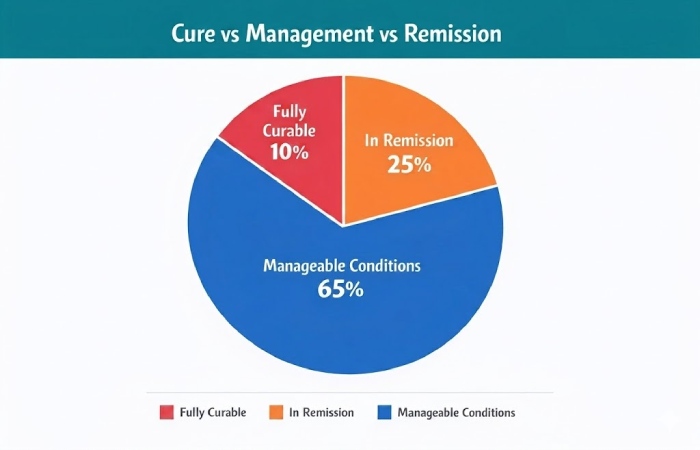
Understanding “Cure” vs “Management” vs “Remission”
This is where most health content fails—so let’s clarify it properly. According to the World Health Organization, many long-term diseases, such as diabetes, cardiovascular illnesses, and hormonal disorders, are not generally cured but can be managed with appropriate treatment and lifestyle transformations.
| Term | Meaning | Example |
|---|---|---|
| Cure | Condition completely eliminated | Bacterial infections with antibiotics |
| Management | Symptoms controlled long-term | Diabetes, hypertension |
| Remission | Symptoms disappear temporarily or long-term | Some autoimmune diseases |
Therefore, many conditions people hope to “cure” are actually long-term, manageable conditions.
If You Mean a Chronic Condition: Can It Be Cured?
Let’s break down the common types of users that are frequently misunderstood when searching uncertain terms like this.
1. Metabolic Disorders (e.g., Diabetes)
| Aspect | Reality |
|---|---|
| Cure | No permanent cure (Type 1) |
| Reversal | Possible (Type 2, early stage) |
| Management | Highly effective |
Lifestyle + early intervention can reverse symptoms, but not always the underlying condition.
2. Hormonal Disorders
| Condition Type | Curability |
|---|---|
| Thyroid disorders | Usually manageable, sometimes curable |
| PCOS | Not curable, but manageable |
| Adrenal disorders | Depends on cause |
Most hormonal conditions are long-term management cases, not quick cures.
3. Genetic Conditions
| Factor | Reality |
|---|---|
| Cure | Rare |
| Treatment | Symptom-based |
| Future | Gene therapy evolving |
4. Viral Conditions
| Type | Cure Status |
|---|---|
| Acute viral infections | Often self-limiting |
| Chronic viral infections | Manageable, not always curable |
Why “Cure” Is Often the Wrong Question
This keyword reflects a deeper issue: people search for certainty in uncertain conditions.
The Better Questions Are:
- Can this condition controle?
- Can symptoms reduce?
- Can lifestyle improve outcomes?
- What is the long-term prognosis?
SEO Opportunity Insight:
Content that reframes the question performs better in AI Overviews because it aligns with true user intent, not just keywords.
Signs You Might Be Dealing With Misinformation
If “kolltadihydo” came from a website, video, or WhatsApp forward, watch for these red flags:
| Red Flag | What It Means |
|---|---|
| Claims of “100% cure” | Likely scam |
| No scientific references | Low credibility |
| Fake medical terminology | Misinformation |
| Urgency-based messaging | Manipulation tactic |
What You Should Do Instead
Step-by-Step Action Plan
- Verify the condition name
- Check trusted sources (WHO, Mayo Clinic, NHS)
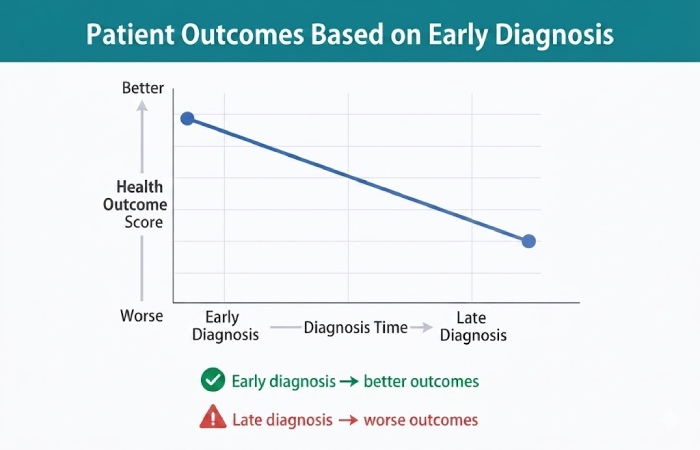
- Consult a qualified doctor
- Self-diagnosis leads to wrong treatment
- Avoid miracle cure products
- Especially supplements or “herbal cures”
- Focus on evidence-based treatment
- Lifestyle, medication, therapy
FAQs
Is “kolltadihydo” a real disease?
No, there is no medically recognized condition with this name.
Why is it trending?
It may be due to:
- Misspelling
- Viral misinformation
- Misheard diagnosis
Can unknown conditions be cure?
Only after proper diagnosis. Treatment depends on the actual condition.
How do I find the correct diagnosis?
Consult a licensed doctor and avoid relying on internet guesses.
Are online “cure claims” trustworthy?
Most are not. Always verify with scientific or medical sources.
Final Verdict
Can kolltadihydo be cured?” highlights a common but critical issue in modern health searches—confusion driven by misinformation, misspellings, or unclear diagnoses. Since no such condition exists in medical science, the real focus should shift toward identifying the correct underlying issue.
In most cases, what users actually seek is clarity about chronic or complex conditions, many of which are not fully curable but can be effectively manage with the right approach. The safest and most evidence-based path is always proper diagnosis, professional medical guidance, and skepticism toward “miracle cure” claims.