

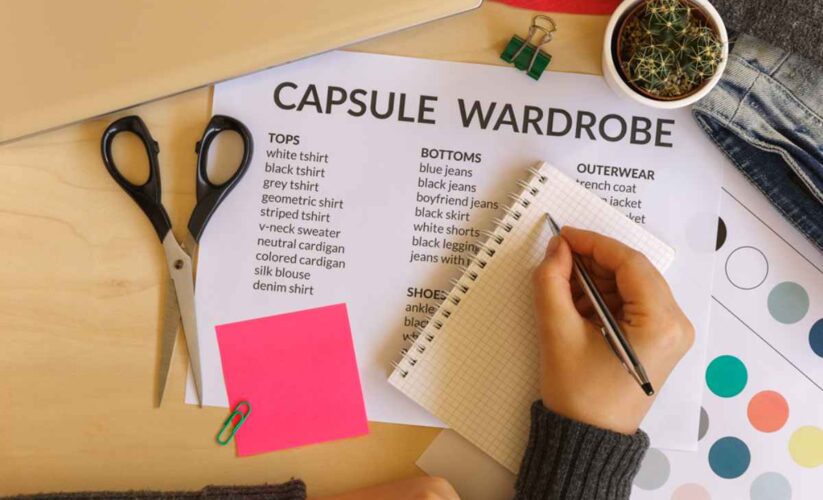
How to Build a Capsule Wardrobe That’s Stylish and Sustainable

A capsule wardrobe is the fashion equivalent of cleaning your glasses. The world looks sharper, your decisions get easier, and you suddenly wonder how you lived with that daily haze of “What do I wear?” for so long. Instead of a closet full of clothes you tolerate, a capsule wardrobe is a small, curated set of pieces that work together, fit your life, and make getting dressed feel simple without being boring.
The sustainable part is a bonus with benefits: buying less, wearing more, choosing quality over quantity, and keeping clothes in rotation longer. A capsule wardrobe isn’t about being minimalist for the sake of it. It’s about building a system that makes style easier and shopping less compulsive.
This beginner-friendly guide walks you through how to build a capsule wardrobe that feels like you, looks great, and supports more sustainable habits without turning your closet into a monochrome monastery.
And if you’re creating content about this topic, you can use stock photos that show realistic wardrobes and outfits, not just perfectly styled beige hangers floating in a vacuum. More on that later.
What a Capsule Wardrobe Actually Is (and Isn’t)
A capsule wardrobe is a limited collection of clothing you love and actually wear, built around pieces that mix and match easily. Most capsules land somewhere between 25 and 45 items, depending on your lifestyle, climate, and how often you do laundry.
It is not:
- A strict uniform (unless you want that)
- Only neutral colors
- A one-time purge that solves everything forever
- A requirement to throw out clothes you already own
It is:
- A curated selection that reflects your life
- A set of versatile pieces that create many outfits
- A sustainable approach because it reduces overbuying and increases wear per item
Think of it like a menu. You’re not eating the same meal forever. You’re choosing a lineup you’ll actually order again and again.
Step 1: Define Your Real Life, Not Your Fantasy Life
Sustainability starts with honesty. Before you pick a single item, answer these questions:
- What do you actually do most days? (Office, remote work, school, childcare, errands, travel, events)
- What’s your climate most of the year?
- What shoes do you realistically wear?
- What clothing do you reach for when you’re tired and want to feel good?
If your life is 80% casual and 20% dressy, your capsule should reflect that ratio. Don’t build a capsule for a version of you that attends rooftop parties every Thursday unless that is, in fact, your life.
Step 2: Pick Your Style “North Star”
A capsule works best when it has a clear style direction. You don’t need to label yourself, but you do need a sense of your preferred vibe.
Choose 3–5 style words that describe what you want to feel like:
- polished, modern, effortless
- cozy, relaxed, outdoorsy
- classic, tailored, minimal
- creative, bold, playful
- sleek, monochrome, sharp
Then pick one “signature” element that shows up often:
- structured jackets
- great denim
- crisp button-downs
- knitwear
- statement shoes
- a specific color accent
This prevents your capsule from turning into a pile of “nice basics” that doesn’t feel like you.
Step 3: Start With What You Already Own (This Is the Sustainable Shortcut)
The most sustainable capsule wardrobe begins in your current closet. Before you buy anything, pull out:
- Your most-worn items (the ones you grab without thinking)
- Pieces that always get compliments
- Items that make you feel confident and comfortable
Lay them out and look for patterns:
- Which colors show up repeatedly?
- Which silhouettes do you prefer (high-waisted, oversized, fitted, cropped)?
- Which fabrics do you gravitate toward?
- What’s your typical outfit formula (jeans + tee + jacket, dress + boots, trousers + sweater)?
Your capsule should amplify these patterns, not fight them.
Step 4: Choose a Capsule Color Palette That Mixes Easily
Color is the secret engine of mix-and-match. You don’t need to wear all neutrals, but you do need cohesion.
A simple palette approach:
- 2–3 neutrals: black, navy, gray, white, cream, brown, olive
- 1–2 base colors you love: burgundy, forest green, rust, cobalt, etc.
- 1 accent color (optional): a brighter shade used sparingly
If you’re unsure, build around the neutrals you already wear most, then add one base color that makes you happy. Sustainability sticks better when you actually like what you’re wearing.
Step 5: Build Around Outfit Formulas (Not Individual Pieces)
Capsule wardrobes fail when people shop for “pieces.” Capsules succeed when people build “outfits.”
Pick 3–5 outfit formulas you wear often, for example:
- Jeans + top + layering piece + sneakers
- Trousers + knit + loafers
- Dress + jacket + boots
- Skirt + tee + cardigan
- Athleisure set + oversized layer
Now your capsule becomes a toolkit for repeating formulas with variation. You’re designing a system, not a closet museum.
Step 6: Decide Your Categories and Item Count
There’s no universal capsule count, but a practical starting point for many people (excluding underwear, socks, and sleepwear) might include:
- 4–6 tops (tees, tanks, blouses)
- 3–5 knitwear pieces (sweaters, cardigans)
- 2–3 layering pieces (jacket, blazer, denim jacket, overshirt)
- 3–4 bottoms (jeans, trousers, skirt)
- 1–3 dresses or jumpsuits (optional)
- 2–3 pairs of shoes (sneakers, boots, loafers/heels depending on lifestyle)
- 1–2 bags (everyday + optional nicer bag)
Adjust based on your life and laundry schedule. If you wear a uniform for work, you’ll need fewer work items. If you do workouts daily, you’ll need more activewear.
Step 7: Choose Fabrics That Last (Without Becoming a Fabric Detective)
Sustainable wardrobes rely on longevity. In general, prioritize:
- Natural fibers when possible (cotton, wool, linen)
- Durable blends that hold shape well
- Fabrics that match your tolerance for care (if you won’t hand-wash, don’t buy hand-wash-only)
This isn’t about purity. It’s about choosing clothes that survive your actual life. A sustainable item is one you wear repeatedly, not one you baby until it lives in the closet forever.
Step 8: The Sustainable Shopping Rules That Actually Help
If you do need to buy new pieces, use these rules to keep it sustainable and budget-friendly:
Rule 1: Identify gaps, then shop intentionally
Don’t shop because you’re bored. Shop because you’ve noticed a consistent gap: “I need a layering piece that works with most outfits” or “I need shoes that go with dresses and jeans.”
Rule 2: Try secondhand first
Thrifting, consignment, and resale platforms can be gold for high-quality basics and timeless pieces.
Rule 3: Avoid “almost right”
If it doesn’t fit well or you don’t love it, it won’t get worn. Items that aren’t quite right are the fastest way to build an unsustainable closet.
Rule 4: Focus on cost per wear
A higher-quality piece that you wear 100 times is often more sustainable than a cheap piece worn twice.
Rule 5: Build slowly
A capsule is not a one-day project. Buy one missing piece, wear it in multiple outfits, then decide what’s next.
Step 9: Maintain the Capsule With a Seasonal Refresh
Your capsule should evolve with seasons and life changes. Instead of constant shopping, do a refresh 2–4 times a year:
- Pull out seasonal items
- Store off-season items neatly
- Repair what needs repair (buttons, hems, small holes)
- Donate or resell what no longer fits your life
- Note any gaps after a few weeks of real wear
This keeps your wardrobe aligned without turning shopping into a hobby.
Step 10: Keep It Stylish With Small, Repeatable Styling Tricks
Capsule wardrobes are sometimes accused of being “boring.” That only happens when everything is too similar. You can keep a capsule stylish without adding clutter by using small levers:
- Add one “statement” layer (a jacket, coat, or overshirt with character)
- Use accessories strategically (belt, scarf, jewelry) without overdoing it
- Play with proportion (wide-leg pants + fitted top, oversized sweater + slim jeans)
- Use shoes to shift the mood (sneakers vs boots vs loafers)
- Repeat colors intentionally (matching tones looks polished effortlessly)
Style comes from how you combine things, not from owning more things.
If You’re Creating Content: Making Capsule Wardrobes Look Real
A lot of capsule wardrobe content online is visually… suspicious. Everything is beige, perfectly folded, and apparently no one owns a hoodie. If you’re writing a blog post about capsule wardrobes, use visuals that reflect real life.
You can use stock photos, but choose images that feel authentic:
- A closet that looks tidy but lived-in
- Flat lays that show real outfit formulas
- People wearing simple outfits in everyday settings
- Neutral palettes with one accent color
- Seasonal layering shots (coats, sweaters, boots)
Search terms that help:
- “capsule wardrobe flat lay”
- “minimal outfit street style”
- “closet organization simple”
- “neutral wardrobe with accent color”
- “layering outfit autumn” or “summer capsule wardrobe”
The goal is to make the concept look achievable, not like a lifestyle ad.
A Simple Starter Plan (So You Don’t Overthink It)
If you want to start immediately, do this:
- Choose 10 items you already own and wear weekly
- Build 10 outfits from them (take quick phone photos)
- Identify the two most annoying gaps
- Fill one gap with a high-quality piece (secondhand if possible)
- Repeat next month
This approach builds a capsule wardrobe from your real habits, not from a checklist.
The Real Sustainable Win: Wearing What You Love, Longer
A stylish, sustainable capsule wardrobe isn’t about depriving yourself or chasing a minimalist aesthetic. It’s about reducing friction. Fewer decisions. Fewer wasted purchases. More outfits you genuinely enjoy wearing.
When your closet works as a system, you buy less because you need less. You care for clothes better because you like them. You wear items more times because they’re easy to combine. That’s sustainability in its most practical form: not a performance, but a pattern.
Build it slowly. Choose pieces that match your life. Repeat your best outfit formulas. And let your wardrobe become a calm little engine of style, instead of a chaotic pile of “maybe someday.”