

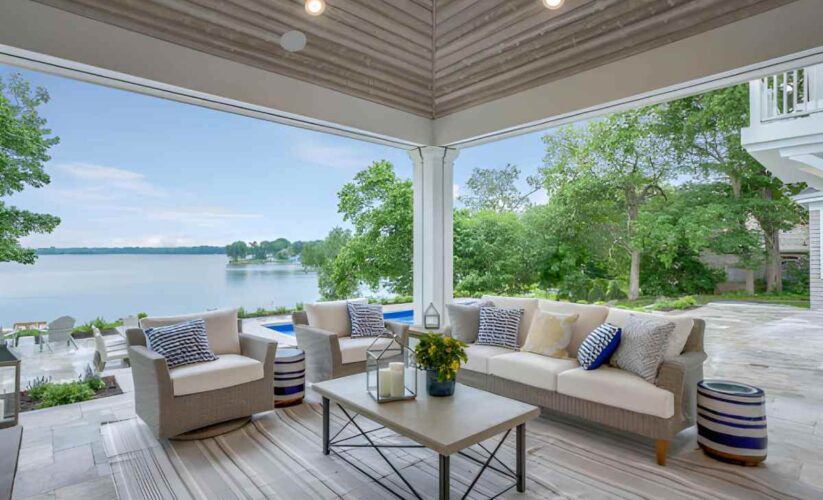
Transform Your Space with Custom Outdoor Living Designers

In recent years, the backyard has taken on a new role. No longer just a patch of grass or a place for weekend barbecues, outdoor spaces are increasingly viewed as extensions of the home itself. They are places for entertaining, relaxing, exercising, and reconnecting with nature. This shift has fueled growing interest in working with custom outdoor living designers, professionals who specialize in turning ordinary yards into thoughtfully planned, highly functional environments.
As homeowners spend more time at home and place greater value on comfort and personalization, outdoor design has evolved into a sophisticated blend of architecture, landscaping, and lifestyle planning. The result is a growing recognition that well-designed outdoor spaces are not luxuries, but long-term investments in quality of life.
Why Custom Outdoor Living Designers Are in Demand
Tailored Design That Reflects How You Actually Live
One of the strongest arguments for hiring custom outdoor living designers is their ability to translate individual needs into cohesive, livable designs. Unlike prefabricated solutions or generic layouts, custom design starts with listening. Designers assess how a household plans to use the space, whether that means hosting gatherings, cooking outdoors, unwinding after work, or creating safe areas for children, and then build around those priorities.
This process often begins with a detailed site evaluation. Designers consider sunlight patterns, prevailing winds, drainage, privacy, and existing landscaping before drafting plans. The goal is not just to create something visually appealing, but to design a space that feels intuitive and comfortable to use every day.
Because every property and homeowner is different, customization allows for flexibility. A compact urban patio may prioritize vertical greenery and built-in seating, while a larger suburban yard might accommodate multiple zones for dining, lounging, and recreation. The defining feature is that the design responds to real life rather than a catalog template.
Customization Versus Prefabrication
Prefabricated outdoor structures have become widely available, offering quick installation and lower upfront costs. However, these options often come with limitations in size, layout, and material selection. They are designed to fit many spaces reasonably well rather than one space perfectly.
Custom outdoor living designers take a different approach. Customization allows homeowners to make precise decisions about layout, materials, and features. This can improve durability, functionality, and long-term satisfaction. For example, a custom pergola can be positioned to provide shade at specific times of day, while prefabricated versions may not account for sun angles or seasonal changes.
Customization also opens the door to sustainable design. Designers can integrate energy-efficient lighting, permeable paving, drought-tolerant landscaping, and locally sourced materials. Over time, these choices can reduce maintenance costs and environmental impact while enhancing the property’s overall value.
Real Transformations That Improve Daily Life
The benefits of custom design are often best understood through real-world outcomes. Homeowners frequently report that their outdoor spaces become the most used areas of the property once they are thoughtfully redesigned.
In one example, a family with an underused backyard worked with custom outdoor living designers to create a multi-purpose space that included an outdoor kitchen, shaded seating, and a small play area. The result was a space that supported both social gatherings and everyday family routines, replacing screen time with outdoor connection.
In another case, a homeowner seeking a quieter retreat collaborated with a designer to build a meditation-friendly garden featuring water elements, soft lighting, and natural materials. The space became a daily sanctuary, demonstrating how design choices can directly influence mental well-being.
Key Considerations When Designing an Outdoor Space
Choosing Materials That Balance Beauty and Durability
Material selection is one of the most important decisions in outdoor design. Outdoor environments must withstand sun exposure, temperature changes, moisture, and wear over time. Custom outdoor living designers guide homeowners toward materials that perform well in local climates while maintaining aesthetic appeal.
Natural stone remains a popular choice for patios and walkways due to its durability and timeless appearance. Composite decking has gained traction as a lower-maintenance alternative to wood, offering resistance to rot and fading. Metals such as aluminum and steel are often used in pergolas and railings for their strength and clean lines.
The best designs balance visual cohesion with practicality. Materials should complement the home’s architecture while also matching the homeowner’s tolerance for maintenance and long-term care.
Designing for Function, Not Just Looks
An outdoor space may look beautiful, but if it is inconvenient to use, it will quickly fall out of favor. Functional design considers movement, comfort, and accessibility. Designers often divide outdoor areas into zones, such as cooking, dining, lounging, and activity spaces, while maintaining visual flow between them.
For example, outdoor kitchens are typically positioned near indoor kitchens for ease of serving. Seating areas may be oriented to take advantage of views or shield occupants from wind. Lighting is planned not only for ambiance but also for safety and navigation after dark.
Furniture selection also matters. Durable, weather-resistant pieces designed for comfort can make the difference between a space that looks good in photos and one that is genuinely enjoyable.
Building with Sustainability in Mind
Sustainability has become a defining theme in modern outdoor design. Many homeowners are seeking ways to reduce water usage, energy consumption, and environmental impact without sacrificing style.
Custom outdoor living designers often recommend native plants that thrive in local conditions with minimal irrigation. Permeable paving systems allow rainwater to filter back into the ground, reducing runoff. Solar-powered lighting provides illumination while lowering electricity use.
Reclaimed materials, such as repurposed wood or stone, add character while supporting environmentally responsible practices. Sustainable design is not just an ethical choice. It can also lead to lower long-term costs and greater resilience.
Trends Shaping Outdoor Living Today
Outdoor Kitchens as Social Centers
Outdoor kitchens have moved beyond simple grills. Today’s designs often include full cooking stations with refrigeration, storage, sinks, and specialty appliances such as pizza ovens or smokers. These spaces encourage interaction, allowing hosts to cook without being separated from guests.
Well-designed outdoor kitchens are integrated into the larger landscape, using consistent materials and thoughtful layouts. They function as social hubs, particularly during warmer months, and extend the home’s entertaining capacity.
Fire Features for Comfort and Atmosphere
Fire pits and outdoor fireplaces remain among the most requested features in outdoor design. Beyond providing warmth, fire elements create focal points that draw people together.
Custom designs allow for flexibility in fuel type, scale, and placement. Built-in seating, wind protection, and lighting can enhance comfort and usability. With proper planning, fire features can extend outdoor living into cooler seasons, maximizing the value of the space.
Technology Meets the Outdoors
Smart technology is increasingly being incorporated into outdoor environments. Automated lighting systems allow homeowners to adjust brightness and color based on mood or occasion. Smart irrigation systems optimize watering schedules, conserving resources while keeping landscapes healthy.
Outdoor audio systems and weather-resistant displays are also becoming more common, particularly in spaces designed for entertaining. When thoughtfully integrated, technology enhances convenience without overwhelming the natural atmosphere.
Choosing the Right Custom Outdoor Living Designer
Questions That Matter
Selecting the right professional is essential to a successful project. Homeowners should ask potential designers about their approach to customization, experience with similar projects, and familiarity with local building codes and environmental conditions.
Understanding how designers manage timelines, budgets, and communication can help prevent misunderstandings later. A good designer will be transparent, responsive, and willing to explain their recommendations clearly.
Evaluating Design Portfolios
A designer’s portfolio offers valuable insight into their style and capabilities. Homeowners should look for diversity in projects, attention to detail, and evidence of functional planning. Projects that balance aesthetics with real-world usability are often the strongest indicators of quality work.
Client testimonials and reviews can also provide perspective on reliability and collaboration. Design is a partnership, and past client experiences often reveal how smoothly that partnership operates.
Communication as the Foundation of Success
Clear, consistent communication is at the heart of every successful outdoor project. Custom outdoor living designers who prioritize collaboration tend to deliver results that align more closely with client expectations.
Regular updates, openness to feedback, and honest discussions about challenges help ensure that the final design reflects both vision and reality. When communication is strong, the process becomes as rewarding as the outcome.
A Long-Term Investment in Living Well
Outdoor spaces designed with intention can transform how people use their homes. They create opportunities for connection, relaxation, and enjoyment that extend beyond interior walls. While trends may evolve, the core value of a well-designed outdoor environment remains constant.
By working with custom outdoor living designers, homeowners invest not only in their property, but in their daily experience of it. The result is a space that feels personal, functional, and enduring. It is a place designed not just to be seen, but truly lived in.